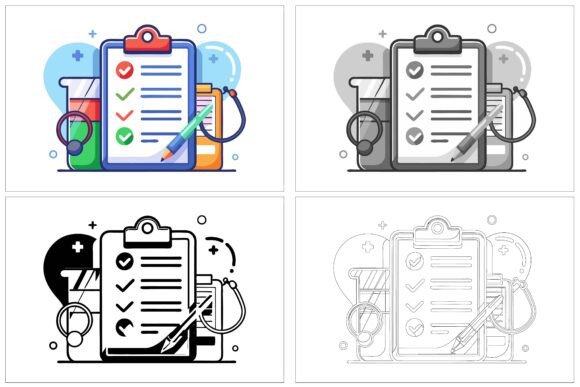
Work in Office Vector Illustration: Strategic Visual Assets for Modern Professionals
Visual communication is no longer a luxury reserved for large agencies with dedicated design teams. For entrepreneurs, marketers, educators, freelancers, and small business owners, the ability to convey ideas clearly and professionally often determines whether a message lands or gets lost. Work in Office Vector Illustration offers a practical, cost-effective way to elevate presentations, websites, marketing materials, and internal communications without requiring advanced design skills or a hefty budget. When you understand what makes these assets strategically valuable, you can integrate them into your workflow with intention and achieve consistently better results.
The collection described here—featuring three variations in AI, EPS, and JPG formats—represents a thoughtful approach to visual content. Designed for both Mac and Windows users, with neatly organized file and layer structures, these illustrations are built for flexibility. But beyond the technical specifications lies a deeper question: how can such assets support your goals, planning, and long-term success? Let’s explore the practical landscape of using vector illustrations in professional contexts.
Why Vector Illustrations Matter for Decision-Makers
In a world saturated with stock photography and generic imagery, vector illustrations stand apart because they offer clarity, consistency, and customization. Work in Office Vector Illustration specifically targets the workplace environment—a setting that resonates with nearly every professional audience. Whether you are creating a pitch deck for investors, designing an onboarding guide for new employees, or building a blog post about productivity, these visuals help you communicate complex ideas with simplicity and precision.
For decision-makers, the strategic value lies in three areas: brand alignment, message clarity, and resource efficiency. Unlike photographs, which can feel dated or mismatched with your brand’s tone, vector illustrations can be edited to match your color palette, adjust details, and maintain a cohesive look across all materials. This level of control supports positioning efforts and ensures that every piece of content reinforces the same visual identity. Moreover, because these files are delivered in editable formats, you avoid the recurring cost of hiring a designer for every minor update.
Consider a scenario where you are launching a new software product. A Work in Office Vector Illustration showing a team collaborating around a digital dashboard can instantly communicate the product’s purpose. With a few color changes, the same illustration can be used on your website, in a social media campaign, and within a printed brochure. That consistency builds trust and recognition over time.
Aligning Visual Assets with Strategic Goals
Before downloading any illustration set, it is wise to step back and consider your broader objectives. Visual assets are tools, not ends in themselves. The most effective users of Work in Office Vector Illustration are those who first define what they want to achieve: increase brand awareness, improve customer understanding, streamline internal training, or enhance the aesthetic appeal of a publication.
For marketers, these illustrations can serve as the backbone of a content strategy. Instead of relying on the same overused stock photos that competitors use, you can create a distinctive visual language. For educators and trainers, the ability to modify icons and scenes means you can tailor each image to the specific lesson or module. For freelancers and bloggers, a consistent set of high-quality illustrations elevates your professional image without requiring a design degree.
One practical approach is to map each illustration variant to a specific use case. The three variations in this collection allow you to show different perspectives of the same concept—perhaps a wide shot of an office, a close-up of a workspace, and an abstract representation of workflow. By planning ahead, you ensure that every visual serves a purpose rather than merely filling space.
When to Use Work in Office Vector Illustration
Timing and context matter as much as the asset itself. Here are several scenarios where a carefully chosen vector illustration can make a significant difference:
- Website hero sections and landing pages: First impressions are formed in seconds. An illustration that reflects your brand and resonates with your audience can reduce bounce rates and encourage exploration.
- Presentation decks and pitch materials: Investors and stakeholders respond to clarity. Vector illustrations help explain processes, show team dynamics, and visualize abstract concepts without cluttering slides with text.
- Internal communications and training documents: Employees absorb information better when it is paired with relevant visuals. Work in Office Vector Illustration can make policies, procedures, and onboarding materials more engaging and easier to remember.
- Infographics and data visualization: When combined with charts and graphs, these illustrations add a human element that makes data feel relatable rather than cold.
- Social media and email campaigns: Consistent visual themes across channels reinforce brand recognition and make your content stand out in crowded feeds.
- Print materials and signage: Because vector files scale without losing quality, they are ideal for both small business cards and large-format posters.
Each of these use cases benefits from the flexibility offered by editable AI and EPS files. Being able to modify colors, resize elements, or combine different variations means you are not locked into a single interpretation. You adapt the asset to the context, not the other way around.
Strategic Considerations Before Relying on Any Illustration Set
No visual asset is a magic solution. The risk of using Work in Office Vector Illustration without clear goals is that your materials may look polished but lack substance. Consistency without purpose can feel generic. Customization without a guiding strategy can lead to visual chaos. To avoid these pitfalls, approach your use of vector illustrations with the same rigor you would apply to any other business tool.
First, define your visual standards before you start editing. Choose a color palette that aligns with your brand, and apply it consistently across all variations. Second, consider your audience’s expectations. A highly stylized illustration may work well for a creative agency but feel out of place for a law firm or healthcare provider. Third, remember that illustrations should complement your message, not overshadow it. A scene that is too busy or detailed can distract from the core point you are trying to communicate.
Another consideration is file organization. The collection boasts a neatly organized file and layer structure, which is a significant advantage for anyone who needs to collaborate with a team or revisit the files months later. Take advantage of this by naming layers clearly and storing files in a shared location with version control. This simple habit saves time and reduces frustration down the road.
Finally, be mindful of over-reliance on any single visual theme. Even a high-quality set like this one can become repetitive if used excessively. Rotate illustrations, combine them with other media, and periodically refresh your visual library to keep your content feeling current and engaging.
Practical Planning Tips for Maximum Impact
To get the most out of your vector illustration investment, treat the acquisition as the beginning of a process, not the end. Here are actionable steps to integrate Work in Office Vector Illustration into your workflow intentionally:
- Audit existing materials: Identify which pieces of content are underperforming or look dated. Prioritize those for updates using the new illustrations.
- Create a style guide: Document the color adjustments, stroke weights, and usage rules you apply to the illustrations. This ensures consistency even if multiple team members edit the files.
- Test variations: Use the three included variations in different contexts and measure engagement. For example, try one version on a landing page and another in an email campaign, then compare click-through rates.
- Plan for scalability: Because the files are vector-based, you can enlarge details for specific contexts without quality loss. Consider creating a master file that contains all variations and export specific views as needed.
- Combine with other assets: Layer the illustrations with typography, icons, and photographic elements to create rich compositions that feel unique to your brand.
These steps may sound detailed, but they are precisely what separates strategic use from random decoration. Professionals who invest a little time upfront in planning and organization end up with materials that perform better and require less rework later.
Long-Term Value and Operational Efficiency
Beyond immediate visual improvement, a well-chosen illustration set can contribute to long-term operational efficiency. When your team has access to editable, organized files, the time spent searching for the right image or requesting custom artwork drops significantly. For small business owners and freelancers who wear multiple hats, this efficiency translates directly into cost savings and faster project turnaround.
Moreover, consistent visual language supports brand recall and customer trust. Over months and years, audiences come to associate your distinct illustration style with your brand’s personality and values. This kind of recognition is difficult to achieve with random stock imagery and impossible with text alone. For educators and trainers, the same illustrations used repeatedly in different contexts can help learners build a mental map of the material, improving comprehension and retention.
The inclusion of JPG versions alongside AI and EPS files also demonstrates practical forethought. While vector files are ideal for editing and scaling, JPGs are immediately usable for quick drafts, social sharing, or environments where software compatibility is limited. Having both formats available means you can move from concept to publication with fewer friction points.
Making the Decision: What to Look for in an Illustration Collection
When evaluating any vector illustration set, consider factors beyond the initial visual appeal. Does the collection offer enough variation to cover your most common use cases? Are the files organized in a way that aligns with your workflow? Can you modify colors and elements without breaking the design? The collection described here answers these questions affirmatively, but the same criteria apply whenever you evaluate new assets.
Also consider the level of detail and consistency across illustrations. Inconsistent line weights, mismatched color palettes, or varying levels of abstraction can undermine a professional presentation. Perfection in details and consistency, as noted in the collection’s description, is not merely a aesthetic preference—it is a functional requirement for anyone who wants to build a cohesive visual narrative.
For entrepreneurs and decision-makers, the ultimate test is whether the asset helps you achieve your objectives more efficiently. If an illustration clarifies a concept, strengthens a brand impression, or saves time in production, it is a worthwhile investment. If it sits unused in a folder, its value is zero regardless of its technical quality.
Moving Forward with Intention
The decision to acquire Work in Office Vector Illustration is a step toward more deliberate, effective visual communication. But the real power of these assets emerges only when you use them with clear intent. Define your goals, plan your applications, and maintain consistency across all touchpoints. By doing so, you transform a simple graphic resource into a strategic advantage that supports your work today and scales with your needs tomorrow.
Whether you are a marketer crafting a campaign, an educator building a curriculum, a freelancer developing a portfolio, or a business owner streamlining operations, thoughtful use of vector illustrations can elevate your output and reduce unnecessary effort. The collection discussed here provides a solid foundation—three variations, editable formats, organized layers, and cross-platform compatibility. What matters most is how you choose to apply it.
Consider your next project. Identify one piece of content that could benefit from a clear, professional visual. Open the files, experiment with colors and arrangements, and see how a single illustration can change the tone and effectiveness of your message. That small step, taken with intention, is where strategy meets execution.